
Understanding B7-33: A Comprehensive Overview
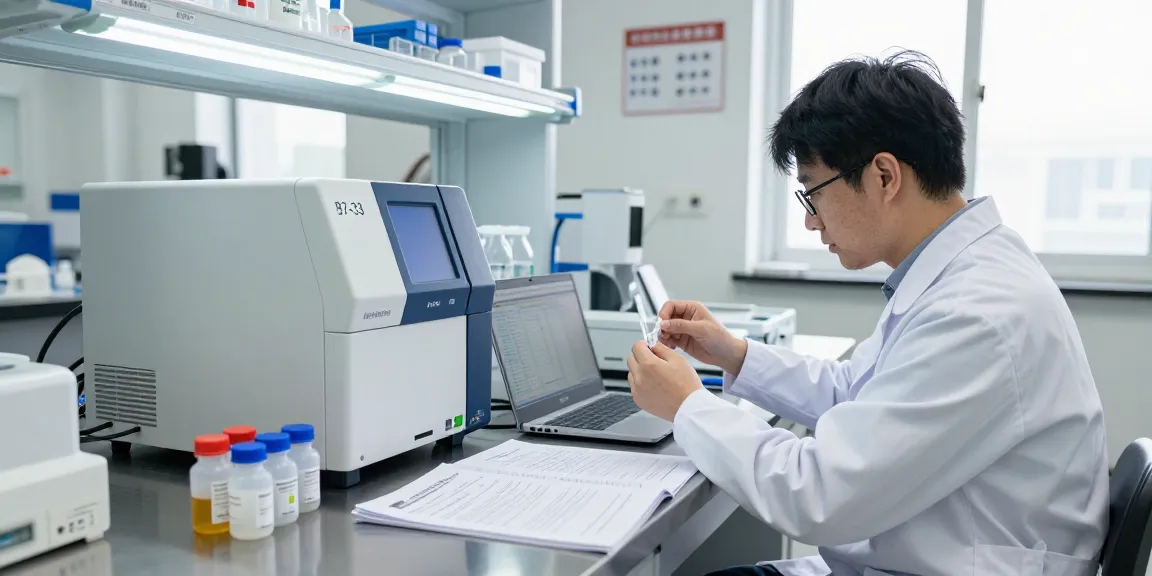
B7-33 is emerging as a significant compound in the field of research peptides, which are tailored for a range of laboratory applications. As scientists explore the mechanism of action and potential uses of B7-33, it is important to understand its properties and the research landscape surrounding it. This article delves into the various aspects of B7-33, including its applications, market trends for 2026, legal considerations, purchasing tips, and future prospects in peptide research. For researchers looking for reliable suppliers, b7-33 for sale can often be found at specialized vendors dedicated to high-quality research peptides.
What is B7-33 and its Applications?
B7-33 is a peptide that has garnered attention for its potential roles in various research fields, particularly in the context of cellular signaling and regeneration. Its structure allows for interactions that could lead to therapeutic applications, particularly in regenerative medicine and cognitive enhancement. Researchers are investigating its use in various in vitro studies to understand how it impacts cell proliferation, differentiation, and other critical processes.
The Importance of Certificate of Analysis (COA)
A Certificate of Analysis (COA) is a crucial document that accompanies each batch of research peptides, including B7-33. This document provides verification of the peptide’s identity, purity, and potency. For researchers, it serves as a safety net, ensuring that the peptides they are using meet the necessary quality standards. High-quality suppliers will provide a COA for each batch, detailing results from analytical tests such as reverse-phase HPLC and LC-MS, confirming that the peptide is suitable for research purposes.
Common Misconceptions About Research Peptides
Despite their growing popularity, research peptides often come with misconceptions. Many people mistakenly believe that all peptides are safe for human consumption or have therapeutic applications in clinical settings. It is vital to note that research peptides like B7-33 are intended strictly for laboratory use only. Understanding this distinction can prevent misuse and ensure compliance with regulatory standards.
Market Trends for B7-33 in 2026
The market for research peptides, including B7-33, is expected to witness significant growth in the coming years. As research into the therapeutic potential of peptides expands, so too does the demand for high-quality, reliable sources. This section explores the current price range, factors influencing the market, and emerging research areas that are likely to drive demand.
Current Price Range and Influencing Factors
The price of B7-33 can vary based on factors such as purity, quantity, and supplier reliability. Typically, research-grade peptides may range from $50 to $200 per vial, depending on these variables. Research institutions and pharmacies may also influence pricing through volume purchases or exclusive contracts with suppliers. Understanding the pricing landscape is crucial for researchers who must manage budgets while obtaining quality materials.
Comparative Analysis with Other Research Peptides
When examining B7-33 in the context of other research peptides, it is beneficial to consider potency, applications, and pricing. For example, peptides such as BPC-157 and TB-500 have distinct advantages in regenerative medicine, but B7-33’s unique properties could offer complementary benefits. Comparative studies can help researchers determine which peptides to utilize based on their specific experimental needs.
Emerging Research Areas Utilizing B7-33
As scientists continue to unlock the potential of B7-33, new research avenues are emerging. Areas such as neurobiology, regenerative therapy, and cancer research are all beginning to explore how this peptide can enhance understanding of cellular mechanisms and treatment pathways. Ongoing studies are anticipated to reveal groundbreaking applications, potentially leading to novel therapeutic approaches.
Purchasing B7-33: What to Consider
When it comes to acquiring B7-33, researchers must navigate several important considerations, including legal compliance, supplier reliability, and quality standards. Understanding these factors can help ensure successful procurement and utilization of this peptide in research.
Legal Considerations in the US and Canada
Current regulations governing the sale of B7-33 in North America stipulate that it is intended solely for laboratory research and not for human or veterinary use. As per the regulations established for 2026, researchers must ensure they are compliant with these regulations when purchasing and using research peptides. Awareness of the legal landscape is essential to avoid complications or unintended violations.
Choosing a Reliable Supplier
Selecting a trustworthy supplier for B7-33 is vital for obtaining quality research materials. Look for suppliers that provide comprehensive COAs, employ rigorous testing methods, and have a strong reputation within the scientific community. Peer reviews and testimonials can also help gauge the reliability of a vendor’s products and services.
Evaluating Quality and Purity Standards
Quality is paramount when sourcing B7-33 and other research peptides. Researchers should seek suppliers that can demonstrate high levels of purity—generally above 99%—through rigorous testing methods like reverse-phase HPLC and LC-MS. Understanding these purification methods can help researchers make informed decisions regarding the peptides they choose to work with.
Practical Applications of B7-33 in Research
B7-33 has shown promising potential in various experimental settings, and researchers are beginning to integrate it into diverse studies. Practical applications can enhance the effectiveness of research, leading to valuable insights and discoveries.
Case Studies: Successful Use Cases
Recent studies have highlighted the successful application of B7-33 in cellular assays that explore its role in stimulating cell growth and enhancing tissue repair. One notable study demonstrated its effect on fibroblast proliferation, suggesting potential uses in wound healing applications. As more research emerges, the implications of B7-33’s efficacy will continue to unfold.
Protocols for Integrating B7-33 in Experiments
To effectively incorporate B7-33 into laboratory experiments, researchers should follow established protocols, including dosage calculations, reconstitution methods, and application techniques. For instance, when reconstituting a 5mg vial of B7-33, researchers might use bacteriostatic water to produce specific concentrations that align with their experimental needs.
Common Challenges and Solutions in Peptide Research
Peptide research often comes with its challenges, such as ensuring solubility, stability, and adherence to experimental conditions. Researchers might encounter issues during the storage and handling of B7-33, which could impact its effectiveness. Solutions often involve optimizing storage conditions and using specialized containers to maintain peptide integrity.
Future of B7-33 and Peptide Research
The future of B7-33 and peptide research is bright, with advances in technology and regulatory frameworks expected to enhance the landscape. As the potential applications become clearer, researchers must remain adaptable and informed about emerging trends.
Predicted Trends Post-2026
By 2026 and beyond, we may expect significant growth in peptide research funding and innovation. As more funding becomes available, research institutions will likely focus on translating peptide findings into practical applications. This growth may lead to B7-33 and similar peptides becoming standard tools in laboratories worldwide.
The Role of Technology in Peptide Development
Technological advancements, particularly in computational biology and synthetic biology, are causing a revolution in peptide development. This evolution is streamlining the design and synthesis of peptides, allowing for the creation of potent variants that could vastly improve research outcomes. As these technologies evolve, they may provide new insights into peptides like B7-33.
Expert Insights on Regulatory Changes
Regulatory bodies are continuously updating guidelines for the use of research peptides in laboratories. It is crucial for researchers to stay informed about these changes to ensure compliance and to optimize their research processes. Experts predict a more streamlined regulatory environment that might simplify the processes surrounding procurement and usage of peptides like B7-33.
What are the Key Benefits of B7-33?
The key benefits of B7-33 include its potential for enhancing cellular responses, promoting tissue regeneration, and contributing to cognitive research. By understanding these benefits, researchers may be able to leverage B7-33 for their specific experimental purposes, maximizing its therapeutic potential.
How to Store B7-33 Properly?
Proper storage of B7-33 is critical to maintaining its efficacy. It should be stored in a cool, dark place, ideally at temperatures between -20°C and -80°C to prevent degradation. Once reconstituted, it should be kept at 4°C and used within a specified timeframe to avoid losing its potency.
Are There Any Risks Associated with B7-33?
While B7-33 is intended for research purposes, researchers should be aware of potential risks, such as misinterpretation of results if the peptide is not used correctly. Ensuring proper handling, storage, and dosage will mitigate these risks, allowing for more accurate experimental outcomes. Additionally, all laboratories must ensure compliance with safety regulations to protect researchers involved with B7-33 and similar compounds.