Understanding the Value of Secondhand Items
The market for secondhand items has blossomed in recent years, with consumers increasingly recognizing the value that these items can offer. Not only do they provide a unique opportunity to own something with history, but they can also evoke strong emotional connections for the buyer. When exploring options, https://homegraden.net serves as a valuable resource for understanding how secondhand items can hold both monetary and sentimental worth. This article will delve into the many dimensions of secondhand goods, exploring their significance in our lives.
What Makes Secondhand Items Valuable?
Secondhand items can be deemed valuable for a variety of reasons. Firstly, their market value often transcends mere aesthetics or utility. Here are some key factors that contribute to the value of secondhand items:
- Quality of Craftsmanship: Many older items were made with superior materials and craftsmanship, leading to durability that outlasts contemporary products.
- Rarity: Certain vintage items are produced in limited quantities, making them rare finds that collectors highly value.
- Brand Heritage: Well-known brands may have items that appreciate over time, reflecting their legacy.
- Sentimental Value: Personal stories and memories attached to items can amplify perceived value tremendously.
Emotional Connections: The Stories Behind Objects
Every secondhand item holds a story, whether it's a childhood toy, a piece of furniture passed through generations, or a unique piece of art found in an antique shop. The emotional connections we form with these objects can deeply influence our purchasing decisions. For many, it’s not just about owning an item; it's about preserving memories and connecting to the past. This emotional aspect is particularly evident in the growing trend of nostalgia-driven purchasing.
Market Insights: Trends in Secondhand Shopping
According to recent studies, the secondhand market is projected to grow faster than traditional retail. Younger generations, especially Millennials and Gen Z, are driving this movement, fueled by a desire for sustainable living and unique self-expression. Online platforms and local boutiques specializing in secondhand goods are becoming increasingly popular, reflecting a shift in consumer habits towards more environmentally responsible choices.
Nostalgia and Its Impact on Consumer Behavior
Nostalgia plays a powerful role in shaping consumer behavior, particularly when it comes to secondhand shopping. The longing for the past can lead to heightened interest in vintage items, collectibles, and more.
The Psychology of Collecting Memorabilia
Many people collect items that remind them of their past, such as toys from their childhood, vinyl records, or vintage clothing. This not only satisfies a personal desire but also offers social currency among like-minded individuals. The act of collection can even serve as a therapeutic escape, reminiscent of simpler times.
How Nostalgia Drives Sales in Secondhand Markets
Nostalgia marketing has become a staple strategy for businesses targeting consumers' memories. This can range from re-releasing old product lines to showcasing vintage collections. By tapping into consumers' sentimental sides, brands can:
- Create emotional connections that drive loyalty.
- Encourage spontaneous purchases triggered by delightful memories.
- Highlight the uniqueness of secondhand items compared to mass-produced alternatives.
Examples of Popular Nostalgic Items
Various items have gained traction in the secondhand market due to their nostalgic qualities:
- Vintage Toys: Classic brands like Lego or action figures from the 1980s and 1990s.
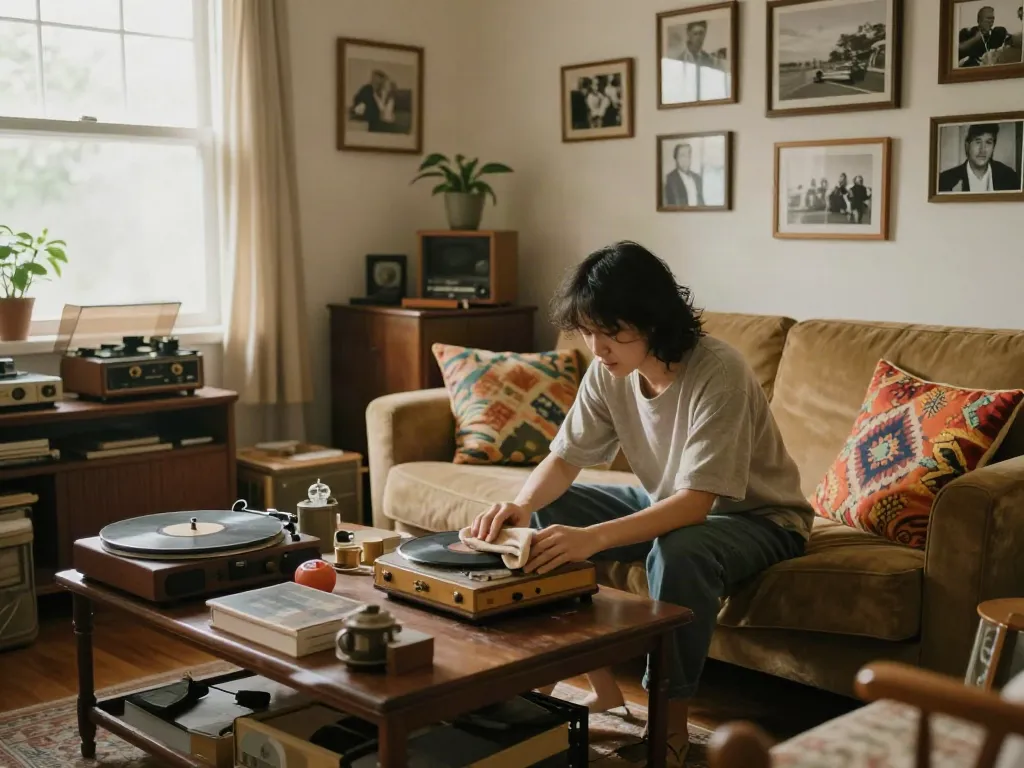
- Old Vinyl Records: Music collectors are drawn to vinyl for both its audio quality and tangible history.
- Retro Clothing: Styles from the past often re-emerge, captivating fashion enthusiasts interested in unique styles.
Where to Find Unique Secondhand Treasures
Whether you're a seasoned collector or a casual shopper, knowing where to find unique secondhand items can enhance your treasure-hunting experience.
Best Online Platforms for Vintage Shopping
Online marketplaces have revolutionized the way consumers shop for secondhand items. Websites like eBay, Etsy, and specialized vintage stores provide access to a vast array of collectibles. These platforms often feature user-friendly search filters, making it easy to find specific items, whether you're searching for that perfect mid-century chair or a rare comic book.
Local Markets and Antique Shops: Hidden Gems
Local flea markets and antique shops are treasure troves for secondhand enthusiasts. These venues often curate a collection of unique and one-of-a-kind items. Building relationships with local shop owners can also lead to discovering hidden gems before they hit the mainstream market.
Thrift Stores and Their Unique Offerings
Thrift stores can offer some incredible finds at bargain prices. They often carry a wide variety of items, from clothing to home décor, and the thrill of the hunt makes each visit exciting. Plus, shopping at thrift stores supports local charities and sustainability efforts, making it a feel-good experience.
Preserving and Caring for Secondhand Items
Once you've secured a secondhand treasure, it’s essential to ensure its longevity and beauty. Proper care and preservation techniques can greatly enhance the lifespan of vintage items.
Effective Restoration Techniques for Vintage Items
Understanding how to restore a secondhand item can make a big difference in its value and appearance. For example, refinishing wooden furniture can renew its look while maintaining its original charm. Other items, like vintage textiles, may require gentle cleaning and repairs to restore their glory.
Cleaning and Maintenance Tips for Longevity
Regular maintenance is key to preserving secondhand items. Here are some tips:
- Keep furniture away from direct sunlight to prevent fading.
- Use appropriate cleaning solutions for different materials.
- Store delicate items in controlled environments to prevent damage.
When to Leave Items in Their Original Condition
Sometimes the best approach is to leave an item as is, especially if it has significant historical value or if alterations may decrease its worth. Knowing when to preserve originality can be crucial in maintaining the item's value.
Future Trends in the Secondhand Market (2026 and Beyond)
As we look toward 2026 and beyond, several trends are emerging that will shape the future of the secondhand market.
Emerging Technologies Affecting Secondhand Shopping
Advancements in technology will continue to facilitate secondhand shopping experiences. Virtual reality and augmented reality may become more prevalent, allowing customers to see items in their home environments before purchasing. Additionally, blockchain technology could help authenticate high-value collectibles.
Increasing Popularity of Sustainable Shopping
With growing concerns over environmental issues, more consumers are turning to secondhand shopping as a sustainable alternative. This trend encourages a circular economy where items are reused and recycled, reducing waste and promoting eco-friendliness.
Expert Predictions for the Secondhand Market's Growth
Industry experts are predicting significant growth in the secondhand market, with estimates suggesting it could surpass traditional retail within the next decade. This rise will likely be driven by a growing awareness of sustainability, shifting consumer values, and the increasing popularity of unique, vintage items.
What are the benefits of buying secondhand items?
Buying secondhand items not only saves money but also supports sustainability efforts. It allows consumers to find unique pieces that reflect their style and values while reducing waste.
How do I identify valuable antiques?
Identifying valuable antiques requires understanding the item's history, condition, and provenance. Researching market trends and seeking expert advice can help buyers make informed decisions.
Where can I sell my secondhand treasures?
Various platforms, including local consignment shops, online marketplaces, and social media, provide excellent opportunities to sell secondhand items and reach interested buyers.
What types of secondhand items are most in demand?
Items like vintage fashion, retro collectibles, antique furniture, and unique home décor consistently attract buyers, as they offer a blend of style and nostalgia.
How can I start my own collection of vintage items?
Start by exploring local thrift shops and online marketplaces. Research the types of items you’re interested in collecting and build your collection slowly, focusing on pieces that resonate with you personally.