Understanding CIKA4D Link in Indoor Agriculture
The evolution of agriculture has increasingly embraced technology, especially in the realm of indoor farming, where precision and efficiency are pivotal. The CIKA4D link serves as a crucial resource for businesses and individuals engaged in vertical farming and other forms of indoor agriculture. By leveraging advanced design and construction services, CIKA4D & DAG Facilities provide integrated solutions that enhance operational productivity. When exploring options, cika4d link offers comprehensive insights into optimizing indoor farming environments for better yield and sustainability.
What is CIKA4D Link?
CIKA4D Link is a sophisticated application designed to streamline the management of indoor agriculture projects. It encompasses a variety of tools and features aimed at facilitating the design, construction, and operation of indoor farming facilities. Users can access climate control, lighting systems, and data analytics all in one platform, ensuring that their agricultural practices meet modern standards of efficiency and productivity.
Importance of Technology in Indoor Farming
Technology plays an indispensable role in the success of indoor farming. With the right tools, farmers can control environmental factors such as temperature, humidity, and light exposure. This precision not only enhances crop yield but also reduces resource wastage, making indoor agriculture a more sustainable option. The integration of CIKA4D Link into farming practices enables users to adopt smart farming technologies, fostering innovation that aligns with industry trends.
Overview of Indoor Agriculture Practices
Indoor agriculture represents a method of growing crops in controlled environments, utilizing various technologies to optimize growth conditions. Key practices include hydroponics, aeroponics, and vertical farming, each with its distinct advantages. Hydroponics, for instance, allows for plant growth without soil, using nutrient-rich water solutions. Aeroponics involves misting plant roots with nutrients, while vertical farming maximizes space by stacking layers of crops. CIKA4D Link supports these practices by providing essential resources such as design templates and construction guidelines tailored to the specific needs of indoor farming setups.
Key Features of the CIKA4D Link Application
User-Friendly Interface and Navigation
The CIKA4D Link application is designed with user experience in mind. Its intuitive interface allows users to easily navigate through various features, ensuring that even those new to indoor agriculture can manage their operations effectively. The platform guides users through each stage, from planning and design to execution and monitoring.
Integration with Smart Farming Technology
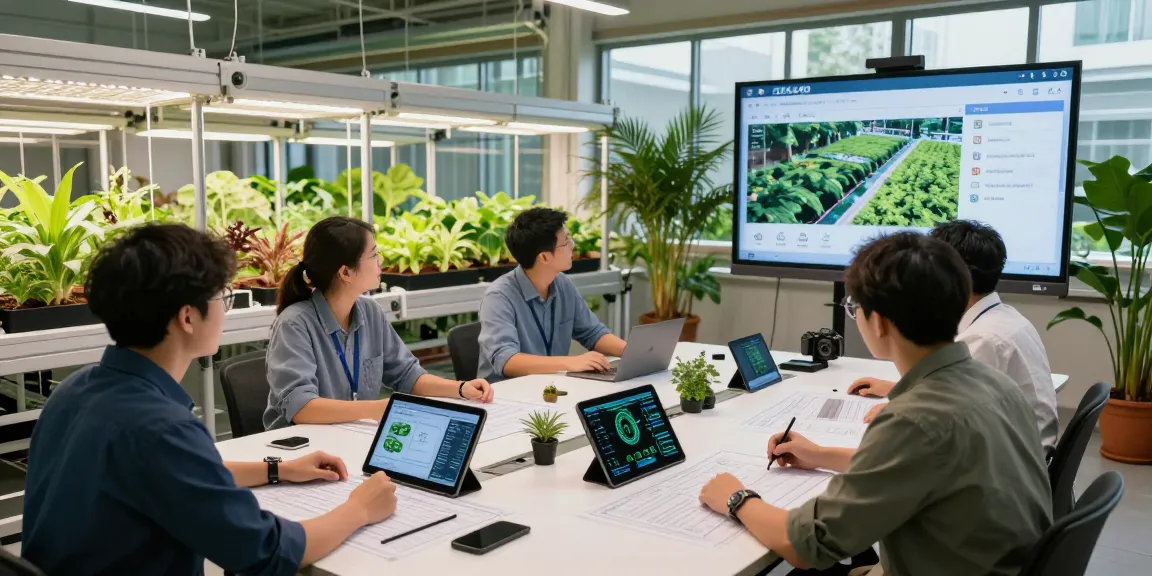
Smart farming technology encompasses automation tools that enhance the efficiency of agricultural practices. CIKA4D Link integrates systems such as IoT devices, sensors, and automated controls, allowing for real-time monitoring and adjustments. This integration enables farmers to receive important data and alerts, facilitating proactive management of their crops and systems.
Data Management and Analysis Tools
CIKA4D Link features advanced data management and analysis tools that empower users to make informed decisions based on real-time data. By analyzing growth patterns, environmental conditions, and resource usage, farmers can identify opportunities for improvement. This data-driven approach supports sustainable practices, optimizing both yield and resource management.
Challenges Faced in Implementing CIKA4D Link
Common Obstacles in Indoor Farming
Despite its benefits, implementing CIKA4D Link in indoor farming faces several challenges. Common obstacles include the initial setup costs, technical expertise required to operate sophisticated systems, and integration complexities with existing infrastructure. Overcoming these barriers is essential for maximizing the potential of indoor agricultural technologies.
Technological Limitations and Solutions
One of the technological limitations in indoor farming is the reliance on stable internet connectivity for smart systems to function effectively. In areas with unreliable internet, this can hinder operations. Moreover, the costs associated with high-quality equipment and automation systems can be prohibitive for smaller farmers. Solutions include utilizing local servers for data processing and offering financial assistance programs to lower the barriers to entry.
Strategies to Overcome Implementation Barriers
To combat the challenges of adopting CIKA4D Link, businesses can employ various strategies. Enhancing training programs to increase user proficiency, leveraging community support for resource sharing, and conducting pilot tests before full-scale implementation can significantly ease the transition. Additionally, collaborating with technology providers to create tailored solutions can facilitate smoother integration.
Best Practices for Utilizing CIKA4D Link Effectively
Step-by-Step Guide to Setup
Setting up CIKA4D Link involves several key steps. Initially, users should assess their specific needs to determine the appropriate configurations and systems required. Following this, a detailed plan should be developed outlining the design layout, climate control systems, and necessary equipment. Finally, the application guides users through the implementation process, ensuring key features are activated and tailored to the operational goals.
Optimizing Climate Control Systems
Climate control is critical in indoor agriculture, and optimizing these systems can lead to significant improvements in crop quality and yield. Users should regularly monitor environmental parameters and adjust settings based on real-time feedback from the CIKA4D Link. Leveraging data analytics can identify trends and suggest optimal conditions for different crops, enhancing both growth rates and resource efficiency.
Measuring Productivity and Performance
To evaluate the success of indoor farming operations using CIKA4D Link, it is essential to measure productivity and performance continuously. Key performance indicators (KPIs) should be established, including growth rates, resource consumption, and yield per square meter. Regular analysis of these metrics can reveal insights into operational efficiency and areas needing improvement.
Future Trends in Indoor Agriculture Technology
Emerging Technologies in 2026 and Beyond
The indoor agriculture sector is poised to benefit from significant technological advancements in the coming years. Innovations such as artificial intelligence, machine learning, and more sophisticated automation systems will likely emerge, enabling even greater levels of efficiency and precision. As technology evolves, the integration of these advancements into the CIKA4D Link platform will enhance its capabilities and benefits for users.
Role of Sustainability in Indoor Farming
Sustainability continues to be a driving force in the agricultural industry. As consumers increasingly demand environmentally friendly practices, indoor agriculture must adapt. Utilizing CIKA4D Link allows businesses to implement sustainable practices such as energy-efficient lighting and water recycling systems. These initiatives not only reduce environmental impact but also lower operational costs, providing a dual benefit.
Predictions for CIKA4D Link Development
As indoor agriculture expands, the CIKA4D Link application is expected to evolve in response to new challenges and opportunities. Future development may include enhanced user interfaces, increased data analytics capabilities, and broader integration with other agricultural technologies. These advancements will enable users to navigate the complexities of indoor farming more effectively, ensuring they remain competitive in a rapidly changing landscape.
What are the benefits of using CIKA4D Link?
The benefits of utilizing the CIKA4D Link application are extensive. Users gain access to a centralized platform for managing their indoor farming projects, resulting in enhanced efficiency, reduced operational costs, and improved crop yield. The application’s integration with smart technology enables real-time monitoring and adjustments that can lead to significant improvements in productivity and sustainability.
How can CIKA4D Link improve indoor farming efficiency?
CIKA4D Link improves indoor farming efficiency through its advanced data management and analysis tools. By providing users with real-time insights into environmental conditions and growth patterns, farmers can adjust their practices to optimize resource usage. This data-driven approach not only enhances crop yield but also contributes to more sustainable agricultural practices.
What are common misconceptions about indoor agriculture?
Many misconceptions surround indoor agriculture, including the belief that it is only suitable for high-tech enterprises or that it requires excessively high costs. In reality, indoor farming can be adapted for various scales and budgets, making it accessible for both small growers and larger agricultural businesses. Additionally, many indoor systems are designed for ease of use, allowing those with limited technical experience to successfully implement them.